
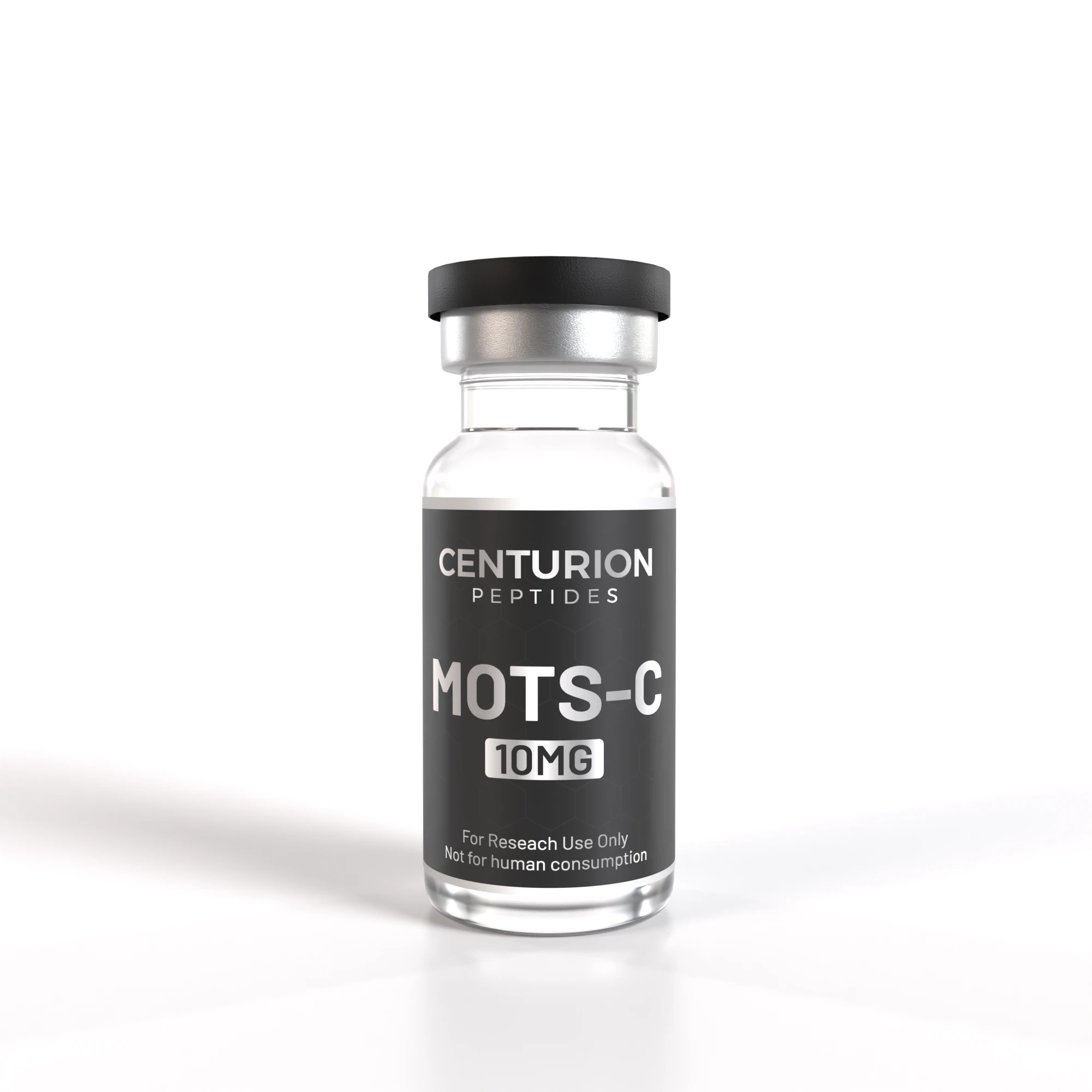
MOTS-C 10MG
Categories:
$50.00
FDA Disclaimer: The statements made within this website have not been evaluated by the US Food and Drug Administration. The statements and the products of this company are not intended to diagnose, treat, cure or prevent any disease. All products are for laboratory developmental research USE ONLY.
Guaranteed Safe Checkout
Money Back
Guarantee
SATISFACTION
GUARANTEED
EASY
RETURNS
SECURE
ORDERING
RAPID
SHIPPING
THIRD PARTY
TESTED
MOTS-C
MOTS-c (Mitochondrial Open Reading Frame of the 12S rRNA type-c) is a naturally occurring mitochondrial-derived peptide that has been studied for its role in cellular metabolism, energy regulation, and metabolic health. MOTS-c is a 16-amino-acid peptide encoded within the mitochondrial genome and is involved in regulating nuclear gene expression in response to cellular stress, particularly in metabolic tissues such as muscle, liver, and adipose tissue.
Overview
MOTS-c has emerged as a key peptide linking mitochondrial function to systemic metabolic regulation. It is reported to influence glucose metabolism, lipid homeostasis, and insulin sensitivity. Preclinical studies suggest that MOTS-c may promote metabolic flexibility, improve exercise performance, and reduce the risk of metabolic disorders such as obesity and type 2 diabetes.
- Regulates cellular metabolism and energy homeostasis
- May improve insulin sensitivity and glucose utilization
- Supports mitochondrial function and metabolic flexibility
- Studied for potential benefits in obesity, diabetes, and metabolic syndrome
Specifications
- Peptide Length: 16 amino acids
- Molecular Formula: C70H123N21O21S2
- Molecular Weight: 2171.11 g/mol
- Other Names: Mitochondrial-derived Peptide MOTS-c
Research and Clinical Insights
Metabolic Regulation
MOTS-c plays a significant role in cellular and systemic metabolic regulation. Studies indicate that it can enhance glucose uptake in skeletal muscle, regulate lipid metabolism in adipose tissue, and promote energy homeostasis. These effects are believed to be mediated through activation of AMPK (adenosine monophosphate-activated protein kinase) and modulation of nuclear gene expression.
Exercise Performance and Muscle Function
Preclinical research demonstrates that MOTS-c may improve endurance and skeletal muscle function by increasing mitochondrial biogenesis and enhancing ATP production. Animal studies suggest that MOTS-c administration can mimic some benefits of exercise, promoting improved energy utilization and physical performance.
Insulin Sensitivity and Obesity
MOTS-c has been investigated for its potential to counteract metabolic dysfunction. Research shows that the peptide may improve insulin sensitivity, reduce fat accumulation, and enhance lipid metabolism, which could be relevant in the context of obesity and type 2 diabetes prevention.
Cellular Stress Response and Longevity
MOTS-c may help cells adapt to metabolic and oxidative stress by modulating nuclear gene expression and promoting mitochondrial resilience. These actions suggest potential implications for healthy aging and metabolic health, though clinical studies in humans are still limited.
Usage Considerations
MOTS-c is intended strictly for research and laboratory purposes. It is not approved for therapeutic use in humans outside controlled studies. Proper handling, storage, and laboratory safety protocols should be observed when working with this peptide.
Note: MOTS-c peptide is available for research purposes only. Please review and adhere to all applicable Terms and Conditions before ordering.
MOTS-C
MOTS-c (Mitochondrial Open Reading Frame of the 12S rRNA type-c) is a naturally occurring mitochondrial-derived peptide that has been studied for its role in cellular metabolism, energy regulation, and metabolic health. MOTS-c is a 16-amino-acid peptide encoded within the mitochondrial genome and is involved in regulating nuclear gene expression in response to cellular stress, particularly in metabolic tissues such as muscle, liver, and adipose tissue.
Overview
MOTS-c has emerged as a key peptide linking mitochondrial function to systemic metabolic regulation. It is reported to influence glucose metabolism, lipid homeostasis, and insulin sensitivity. Preclinical studies suggest that MOTS-c may promote metabolic flexibility, improve exercise performance, and reduce the risk of metabolic disorders such as obesity and type 2 diabetes.
- Regulates cellular metabolism and energy homeostasis
- May improve insulin sensitivity and glucose utilization
- Supports mitochondrial function and metabolic flexibility
- Studied for potential benefits in obesity, diabetes, and metabolic syndrome
Specifications
- Peptide Length: 16 amino acids
- Molecular Formula: C70H123N21O21S2
- Molecular Weight: 2171.11 g/mol
- Other Names: Mitochondrial-derived Peptide MOTS-c
Research and Clinical Insights
Metabolic Regulation
MOTS-c plays a significant role in cellular and systemic metabolic regulation. Studies indicate that it can enhance glucose uptake in skeletal muscle, regulate lipid metabolism in adipose tissue, and promote energy homeostasis. These effects are believed to be mediated through activation of AMPK (adenosine monophosphate-activated protein kinase) and modulation of nuclear gene expression.
Exercise Performance and Muscle Function
Preclinical research demonstrates that MOTS-c may improve endurance and skeletal muscle function by increasing mitochondrial biogenesis and enhancing ATP production. Animal studies suggest that MOTS-c administration can mimic some benefits of exercise, promoting improved energy utilization and physical performance.
Insulin Sensitivity and Obesity
MOTS-c has been investigated for its potential to counteract metabolic dysfunction. Research shows that the peptide may improve insulin sensitivity, reduce fat accumulation, and enhance lipid metabolism, which could be relevant in the context of obesity and type 2 diabetes prevention.
Cellular Stress Response and Longevity
MOTS-c may help cells adapt to metabolic and oxidative stress by modulating nuclear gene expression and promoting mitochondrial resilience. These actions suggest potential implications for healthy aging and metabolic health, though clinical studies in humans are still limited.
Usage Considerations
MOTS-c is intended strictly for research and laboratory purposes. It is not approved for therapeutic use in humans outside controlled studies. Proper handling, storage, and laboratory safety protocols should be observed when working with this peptide.
Note: MOTS-c peptide is available for research purposes only. Please review and adhere to all applicable Terms and Conditions before ordering.
Related Products
-
CARGRILINTIDE
Peptides $20.00 – $40.00Price range: $20.00 through $40.00 This product has multiple variants. The options may be chosen on the product page




Reviews
There are no reviews yet.