
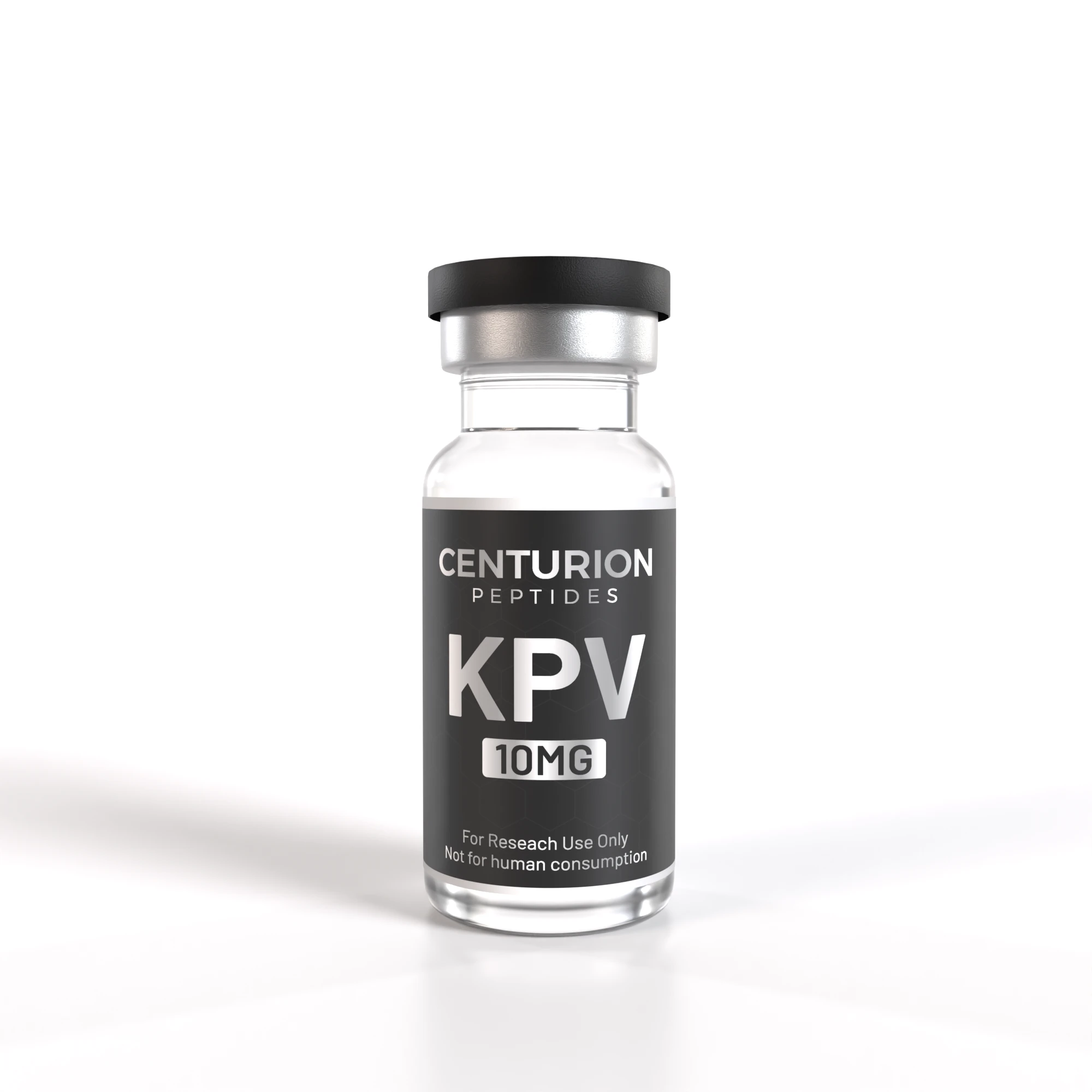
KPV 10MG
Categories:
$50.00
FDA Disclaimer: The statements made within this website have not been evaluated by the US Food and Drug Administration. The statements and the products of this company are not intended to diagnose, treat, cure or prevent any disease. All products are for laboratory developmental research USE ONLY.
Guaranteed Safe Checkout
Money Back
Guarantee
SATISFACTION
GUARANTEED
EASY
RETURNS
SECURE
ORDERING
RAPID
SHIPPING
THIRD PARTY
TESTED
KPV
KPV is a naturally occurring tripeptide composed of the amino acids Lysine–Proline–Valine. It is a biologically active fragment of the larger α-melanocyte-stimulating hormone (α-MSH) molecule. KPV has been extensively studied for its potential anti-inflammatory, immunomodulatory, and cytoprotective properties. Unlike the full α-MSH molecule, KPV exhibits biological activity without stimulating melanocortin receptors associated with pigmentation, making it particularly valuable in inflammation and immune system research.
KPV is recognized for its capacity to regulate immune responses at the cellular level, especially within epithelial and mucosal tissues. Due to its potent biological stability and targeted signaling effects, KPV is actively investigated in research related to inflammatory disorders, gastrointestinal health, autoimmune modulation, and tissue repair mechanisms.
Overview
KPV primarily functions as an anti-inflammatory signaling peptide by interacting with key immune pathways and transcription factors involved in cytokine production. Research indicates that KPV may inhibit nuclear factor kappa B (NF-κB) activation, a central regulator of inflammatory gene expression. By suppressing this pathway, KPV can reduce the production of pro-inflammatory cytokines such as tumor necrosis factor-alpha (TNF-α), interleukin-6 (IL-6), and interleukin-1β (IL-1β).
Additionally, KPV has demonstrated the ability to enhance epithelial barrier integrity, regulate macrophage activity, and protect tissues from oxidative and inflammatory damage. These properties have made KPV a molecule of interest in studies related to inflammatory bowel disease, dermatological inflammation, immune dysregulation, and wound healing.
- Potent anti-inflammatory and immunomodulatory activity
- Regulates cytokine signaling and immune cell activation
- Supports epithelial barrier integrity and tissue protection
- Modulates NF-κB and related inflammatory pathways
- Investigated in gastrointestinal, dermatological, and autoimmune research models
Specifications
- Amino Acid Sequence: Lys–Pro–Val
- Molecular Formula: C15H27N3O4
- Molecular Weight: 313.39 g/mol
- Peptide Length: 3 amino acids (tripeptide)
- Other Names: KPV Tripeptide, α-MSH(11–13) Fragment
Research and Clinical Insights
Anti-Inflammatory Mechanisms
Multiple studies indicate that KPV exerts strong anti-inflammatory effects by suppressing the transcription of pro-inflammatory genes. KPV has been shown to inhibit NF-κB nuclear translocation, thereby reducing downstream cytokine production. This regulatory action allows KPV to dampen excessive immune responses while preserving normal immune surveillance.
Gastrointestinal and Mucosal Research
In gastrointestinal research models, KPV has demonstrated the ability to protect intestinal epithelial cells from inflammatory injury, improve barrier function, and reduce intestinal permeability. These properties suggest potential utility in studies related to inflammatory bowel disease, colitis, and other mucosal inflammatory disorders.
Dermatological and Tissue Repair Studies
KPV has been shown to accelerate epithelial wound closure and support tissue regeneration by regulating keratinocyte and fibroblast activity. Its anti-inflammatory and cytoprotective properties contribute to improved tissue healing and reduced scarring in experimental models of skin injury and chronic inflammation.
Immune Modulation and Autoimmune Research
KPV influences macrophage polarization and T-cell activity, shifting immune responses away from pro-inflammatory phenotypes toward regulatory states. This immunomodulatory capacity positions KPV as a promising molecule in autoimmune and immune dysregulation research.
Oxidative Stress and Cellular Protection
KPV has been shown to reduce oxidative stress by suppressing reactive oxygen species (ROS) generation and enhancing cellular antioxidant defenses. These effects help preserve cellular integrity under conditions of metabolic and inflammatory stress.
Usage Considerations
KPV is provided strictly for research and laboratory use. It is not approved for human therapeutic application. Researchers must comply with all applicable laboratory safety procedures, institutional protocols, and regulatory guidelines when handling this peptide.
Notice: KPV peptide is available for research purposes only. Please review and adhere to all Terms and Conditions prior to ordering.
KPV
KPV is a naturally occurring tripeptide composed of the amino acids Lysine–Proline–Valine. It is a biologically active fragment of the larger α-melanocyte-stimulating hormone (α-MSH) molecule. KPV has been extensively studied for its potential anti-inflammatory, immunomodulatory, and cytoprotective properties. Unlike the full α-MSH molecule, KPV exhibits biological activity without stimulating melanocortin receptors associated with pigmentation, making it particularly valuable in inflammation and immune system research.
KPV is recognized for its capacity to regulate immune responses at the cellular level, especially within epithelial and mucosal tissues. Due to its potent biological stability and targeted signaling effects, KPV is actively investigated in research related to inflammatory disorders, gastrointestinal health, autoimmune modulation, and tissue repair mechanisms.
Overview
KPV primarily functions as an anti-inflammatory signaling peptide by interacting with key immune pathways and transcription factors involved in cytokine production. Research indicates that KPV may inhibit nuclear factor kappa B (NF-κB) activation, a central regulator of inflammatory gene expression. By suppressing this pathway, KPV can reduce the production of pro-inflammatory cytokines such as tumor necrosis factor-alpha (TNF-α), interleukin-6 (IL-6), and interleukin-1β (IL-1β).
Additionally, KPV has demonstrated the ability to enhance epithelial barrier integrity, regulate macrophage activity, and protect tissues from oxidative and inflammatory damage. These properties have made KPV a molecule of interest in studies related to inflammatory bowel disease, dermatological inflammation, immune dysregulation, and wound healing.
- Potent anti-inflammatory and immunomodulatory activity
- Regulates cytokine signaling and immune cell activation
- Supports epithelial barrier integrity and tissue protection
- Modulates NF-κB and related inflammatory pathways
- Investigated in gastrointestinal, dermatological, and autoimmune research models
Specifications
- Amino Acid Sequence: Lys–Pro–Val
- Molecular Formula: C15H27N3O4
- Molecular Weight: 313.39 g/mol
- Peptide Length: 3 amino acids (tripeptide)
- Other Names: KPV Tripeptide, α-MSH(11–13) Fragment
Research and Clinical Insights
Anti-Inflammatory Mechanisms
Multiple studies indicate that KPV exerts strong anti-inflammatory effects by suppressing the transcription of pro-inflammatory genes. KPV has been shown to inhibit NF-κB nuclear translocation, thereby reducing downstream cytokine production. This regulatory action allows KPV to dampen excessive immune responses while preserving normal immune surveillance.
Gastrointestinal and Mucosal Research
In gastrointestinal research models, KPV has demonstrated the ability to protect intestinal epithelial cells from inflammatory injury, improve barrier function, and reduce intestinal permeability. These properties suggest potential utility in studies related to inflammatory bowel disease, colitis, and other mucosal inflammatory disorders.
Dermatological and Tissue Repair Studies
KPV has been shown to accelerate epithelial wound closure and support tissue regeneration by regulating keratinocyte and fibroblast activity. Its anti-inflammatory and cytoprotective properties contribute to improved tissue healing and reduced scarring in experimental models of skin injury and chronic inflammation.
Immune Modulation and Autoimmune Research
KPV influences macrophage polarization and T-cell activity, shifting immune responses away from pro-inflammatory phenotypes toward regulatory states. This immunomodulatory capacity positions KPV as a promising molecule in autoimmune and immune dysregulation research.
Oxidative Stress and Cellular Protection
KPV has been shown to reduce oxidative stress by suppressing reactive oxygen species (ROS) generation and enhancing cellular antioxidant defenses. These effects help preserve cellular integrity under conditions of metabolic and inflammatory stress.
Usage Considerations
KPV is provided strictly for research and laboratory use. It is not approved for human therapeutic application. Researchers must comply with all applicable laboratory safety procedures, institutional protocols, and regulatory guidelines when handling this peptide.
Notice: KPV peptide is available for research purposes only. Please review and adhere to all Terms and Conditions prior to ordering.
Related Products
-
CARGRILINTIDE
Peptides $20.00 – $40.00Price range: $20.00 through $40.00 This product has multiple variants. The options may be chosen on the product page
Reviews
There are no reviews yet.